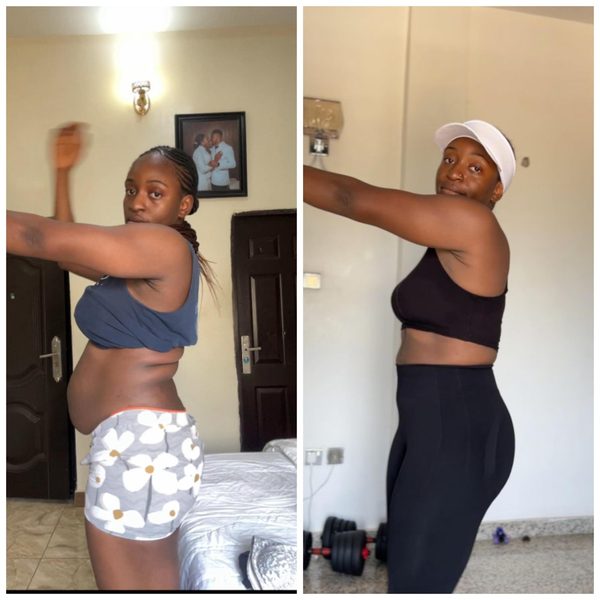
"Every piece of advice
I got was made for
a different birth than mine."
Hi, I'm Prudiee.
C-section mum. Just like you.
I want to tell you something nobody told me.
The day I came home from the hospital, I thought the hard part was over.
I had my baby. I had survived the surgery. I had been stitched back together and handed a pamphlet and told to rest. So I rested. I waited. I did what I was told.
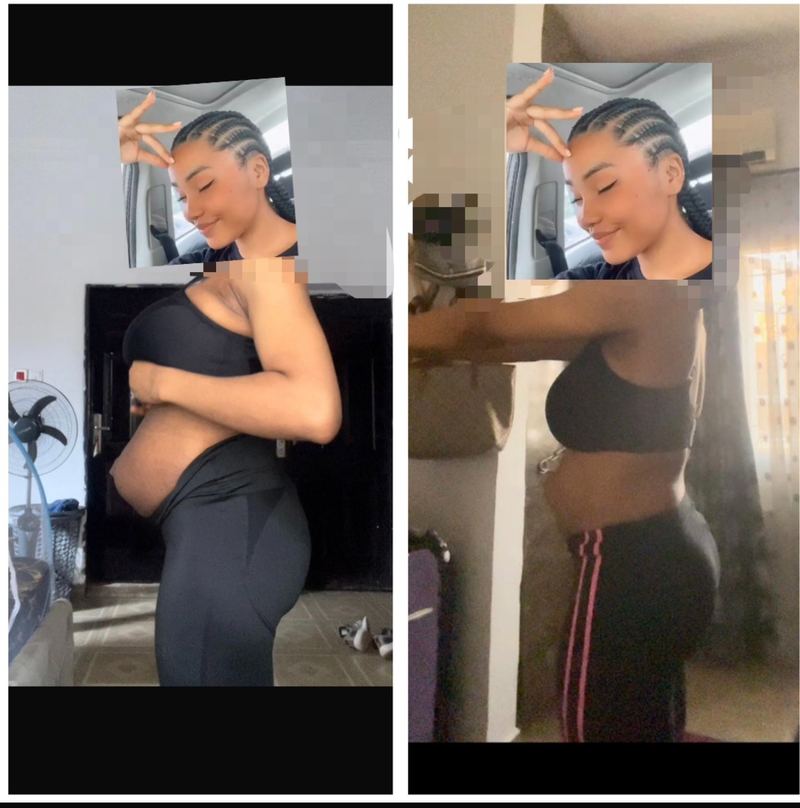
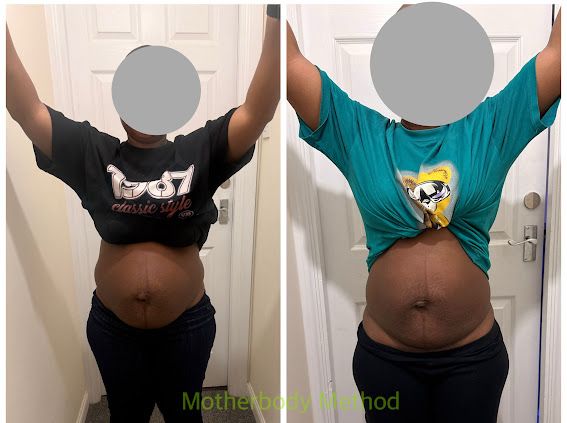
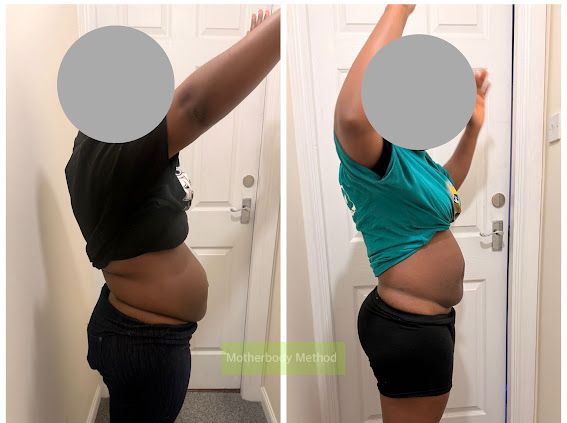
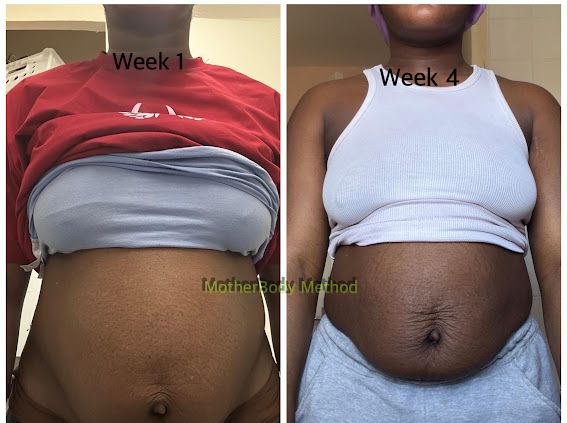
But weeks passed. And my belly didn't go down.
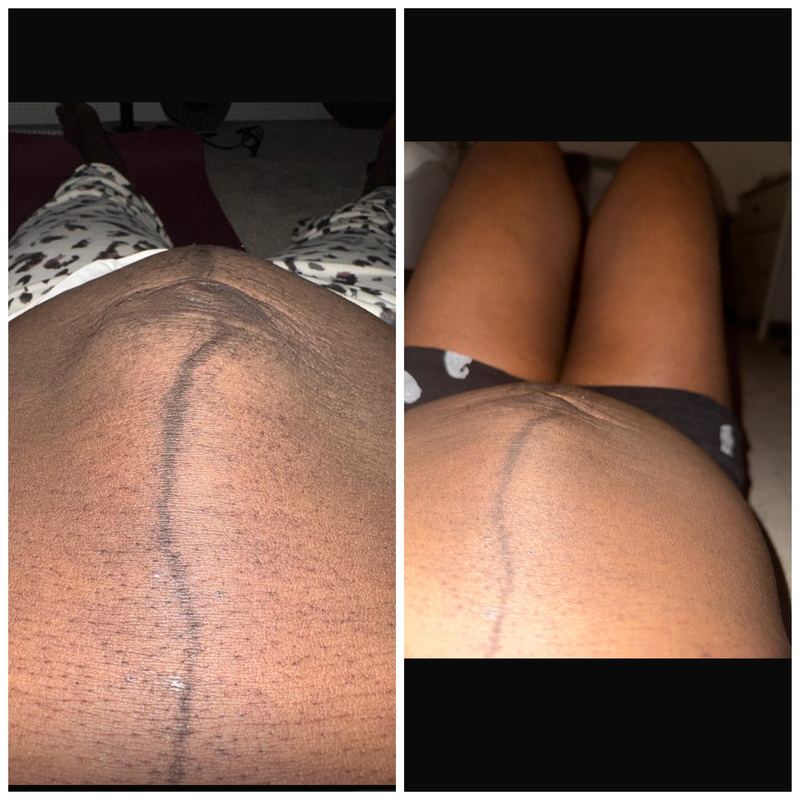
I remember the exact moment it hit me. I was standing in the bathroom, alone, baby finally asleep. I lifted my shirt and just… stood there. Staring. My stomach still looked pregnant. There was a shelf of skin sitting right above my scar that nobody had warned me about. My incision felt numb in some places and pulled tight in others. And when I pressed my fingers into my abdomen, it felt hollow. Like something that was supposed to be there… wasn't.
I cried in that bathroom for a long time.
I went back to the doctor. He said I was healing fine. He said it takes time. He said I should take it easy. He did not look at my core. He did not ask about the numbness. He did not mention the word Diastasis Recti, or pelvic floor, or the fact that I had just had seven layers of my body cut open to bring my baby into the world.
He sent me home.
So I went looking for answers myself. I searched for postpartum workouts. Every single one assumed I had a vaginal birth. I searched for C-section recovery tips. Most of them said "walk slowly" and "don't lift anything heavy." I searched for why my belly still looked pregnant months after delivery. I found nothing that felt like it was written for me.
And then I did the worst thing possible — I started doing the exercises I found online. Crunches. Sit-ups. Planks. Because nobody told me that with Diastasis Recti — which I didn't even know I had — those exercises were tearing me apart from the inside.
My belly got worse. The doming got worse. I felt weaker, not stronger. I was doing everything I thought was right. And my body kept getting worse.
And I started to believe the whispers in my head that said maybe this is just what your body looks like now. Maybe this is who you are.
I was three weeks into convincing myself this was just my new normal when I almost missed it.
It was past midnight. Baby had finally gone back to sleep after her second feed. I was sitting up in bed, phone in hand, doing what exhausted new mothers do at midnight — scrolling. Not looking for anything. Just scrolling. Numb. The kind of tired that doesn't even let you choose what you're looking at.
An article appeared. Something about postpartum belly. I almost kept scrolling — I had read a hundred of them by that point and every single one had told me the same useless things. Drink more water. Be patient. Love your body.
But something made me stop.
Maybe it was the headline. Maybe it was the photo. Maybe it was just 12:47am and I had nothing left to lose. Whatever it was — I stopped.
The article talked about something called Diastasis Recti. A separation of the abdominal muscles that happens during pregnancy. It said that for C-section mothers especially, the combination of the separation and the surgical trauma could leave the core completely disconnected — unable to function the way it was designed to. It said that the exercises most women do postpartum — the crunches, the sit-ups, the planks — could make it significantly worse.
I read that line three times.
Then it said something that made my stomach drop.
"To check if you have DR, lie flat on your back, lift your head slightly, and press two fingers into the centre of your belly, just above the navel. If your fingers sink in — if there is a gap — you may have Diastasis Recti."
I put the phone down.
I looked at the ceiling.
And then I got off the bed, lay down on the floor, and pressed my fingers in.
There was a gap. Wide enough that I stopped breathing for a second.
I just lay there. Staring at the ceiling. The fan spinning slowly above me. My baby's little chest rising and falling. And me — completely still — finally understanding what had been happening to my body this whole time.
I felt two things at once.
Devastated. Because I had spent months doing everything wrong. Every crunch, every sit-up, every desperate attempt to tighten up had been pulling at a wound that hadn't been given the chance to close. I hadn't been getting stronger. I had been quietly, unknowingly, making things worse.
And then — relief. A strange, quiet, exhausted relief. Because it wasn't my fault. I wasn't weak. I wasn't broken. I wasn't someone who had failed to bounce back. My body had been through major surgery, had never been given the right tools to heal, and had been doing the best it could with nothing.
That night, I stopped everything.
No more gym. No more ab circuits. No more pushing through discomfort because I thought that was what recovery was supposed to feel like.
I started over. From the floor. Literally.
Deep breathing exercises that taught my core how to speak to my body again. Gentle pelvic and deep core rehabilitation — nothing dramatic, nothing painful. Just intentional, quiet work. Fifteen minutes on my bedroom floor while my baby napped beside me, slowly reconnecting to a body I had stopped recognising.
Within two weeks, something shifted.
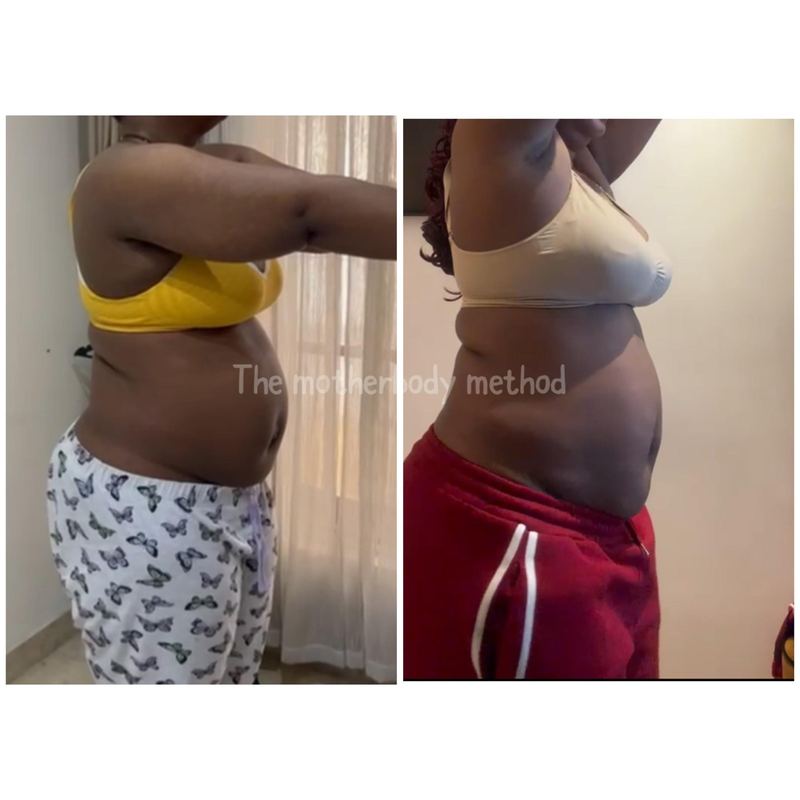
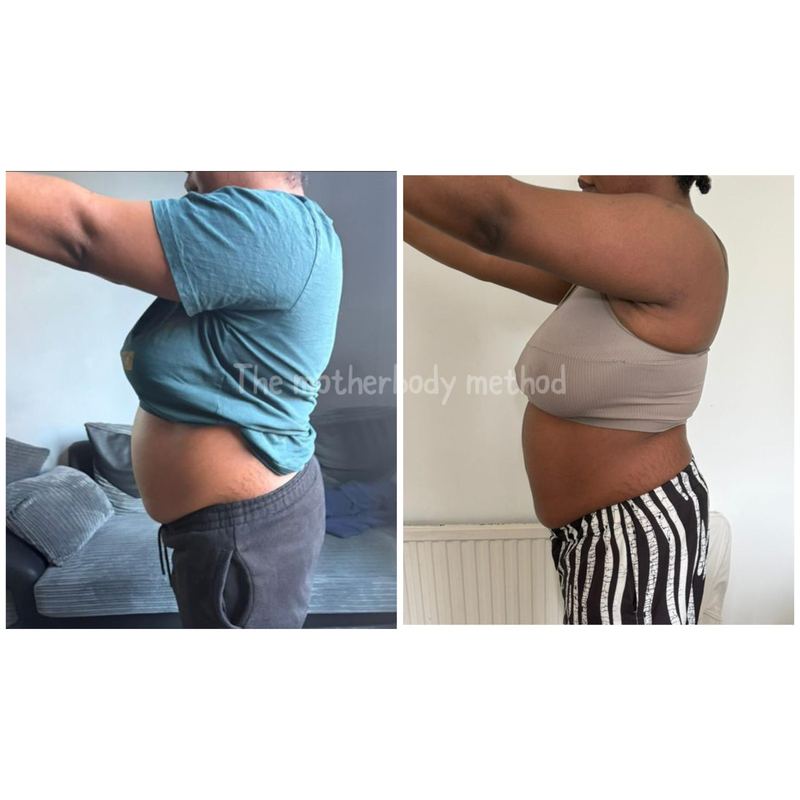
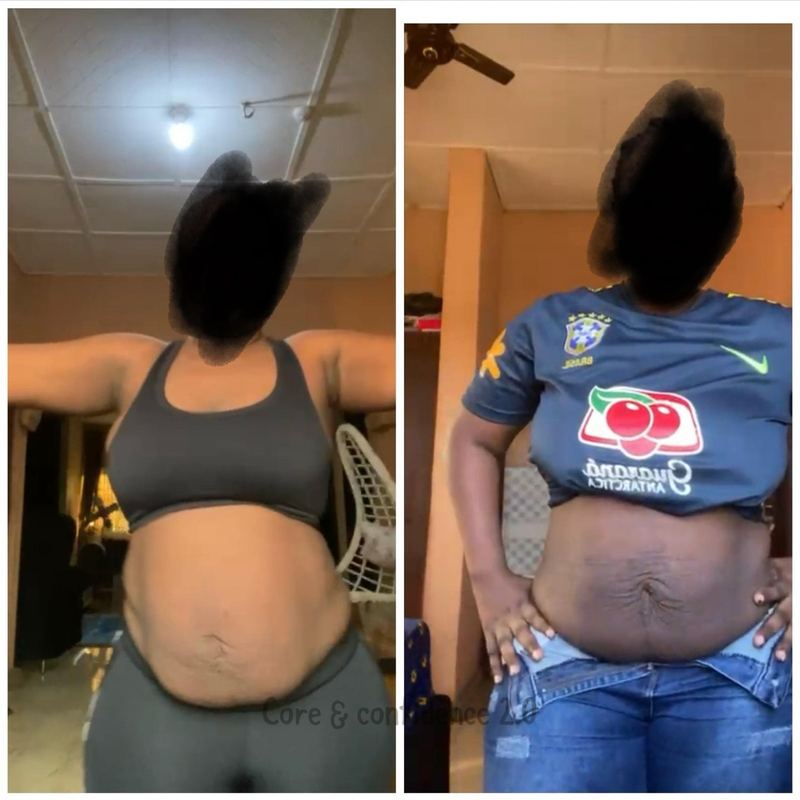
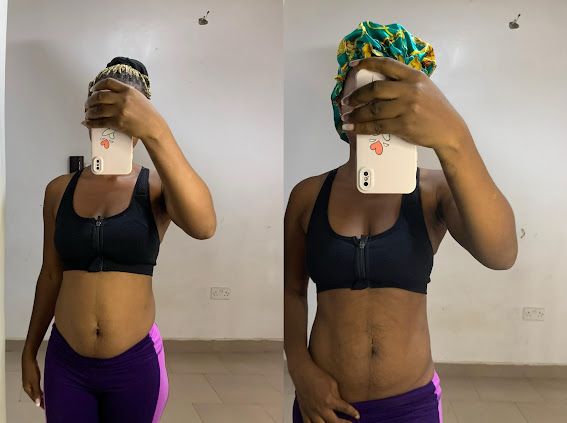
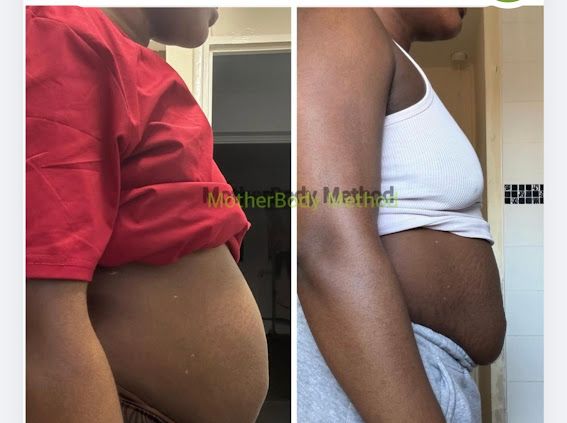
The constant bloating — the kind that had made me feel pregnant again every single evening — began to ease. The hardness softened. My scar, which had felt like a tight foreign object embedded in my body, started to feel like it belonged to me again. And by the end of the first month, for the first time since the day they wheeled me into that theatre —
My belly began to pull in.
I sat on that floor and I cried. Good tears, this time.
The most obvious thing at that point would have been to start sharing what I'd found. To post about it. To tell every mama I knew.
I didn't do that.
I kept thinking about the women I wanted to help. Women still in recovery. Women whose pelvic floors were still healing. Women who had been through the same surgery I had — seven layers cut, seven layers stitched — and whose bodies were still in a delicate, critical window. The absolute last thing they needed was someone teaching them the wrong movement at the wrong stage. Someone enthusiastic but unqualified. Someone who had healed herself and assumed that was enough.
It wasn't enough. Not for this. Not for these women.
So before I taught a single person, I enrolled in a formal postpartum corrective exercise certification. I studied the science — core rehabilitation, pelvic floor function, Diastasis Recti healing, C-section recovery, safe progressive movement for postpartum bodies at every stage. I learned what I wish someone had known when I was the one lying on that floor, pressing my fingers into my belly, staring at the ceiling wondering what was wrong with me.
I got qualified. Properly. Because mamas deserve that.
And then — only then — I started sharing the method.
No mama should spend months searching for answers that should have been handed to her on day one. No woman who went through major abdominal surgery should be handed a pamphlet and sent home to figure it out alone. No C-section mother should ever be told — by a doctor, by another mum, by anyone —
"Is it not C-section you did?"
The C-Section Belly Reset Guide is the program I was desperately searching for when I was standing in that bathroom. Crying. Lifting my shirt. Wondering what had happened to my body and whether I would ever feel like myself again.
It was made for that woman.
It was made for you.
Whether you are 6 weeks postpartum or years down the line —
it is not too late.
Your body has been waiting for this.
Come home to it.
No mama should spend months searching for answers that should have been handed to her on day one. No C-section mother should ever be told — "Is it not C-section you did?"
This was made for that woman. It was made for you.